
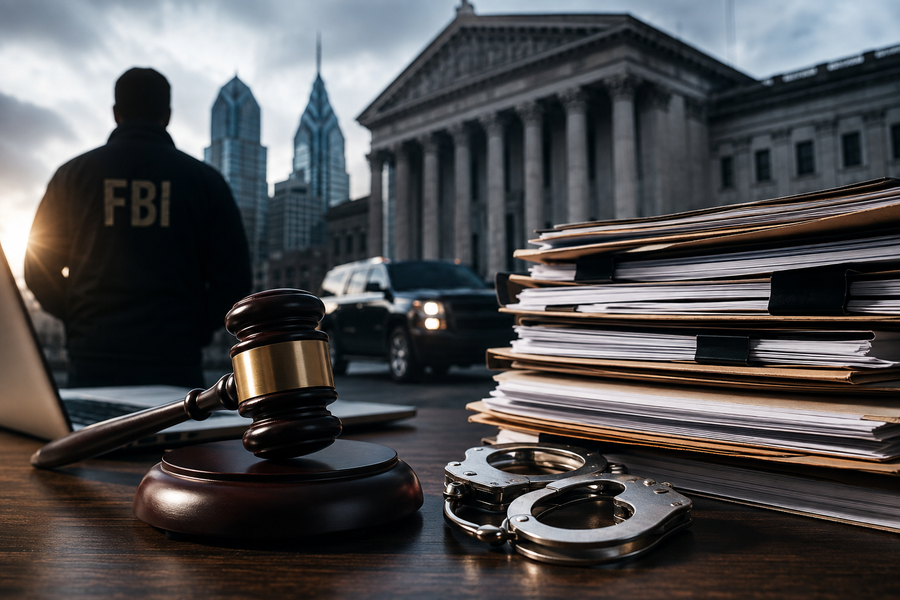
Many people assume a federal criminal case begins with an arrest or formal charge. In reality, federal investigations often begin months or even years before an indictment or arrest. During this period, federal agents and prosecutors may quietly collect evidence, interview witnesses, examine financial records, conduct surveillance, issue subpoenas, or present evidence to a grand jury.
For someone who believes they may be under federal investigation, this period can be critical. Decisions made before charges are filed can have a significant impact on what happens later. Understanding how federal investigations work and obtaining legal representation early can help protect your rights and allow your attorney to begin developing a defense strategy before the government completes its case.
How Does a Federal Investigation Begin?
Federal investigations can originate from many different sources. A federal agency may receive information from a confidential informant, another investigation, a financial institution, a cooperating witness, or another government agency. Investigations may also begin after allegations of financial fraud, drug trafficking, firearms offenses, tax violations, cybercrime, money laundering, or other federal offenses.
Federal agencies involved in investigations can include the FBI, DEA, ATF, IRS, Homeland Security Investigations, and other federal law enforcement agencies. Depending on the allegations, investigators may work independently or together with federal prosecutors from the U.S. Attorney’s Office. In many cases, the person being investigated does not immediately know that an investigation is underway.
What Happens During a Federal Investigation?
Federal investigators can use a variety of investigative techniques to gather evidence. The specific methods depend on the allegations and the circumstances of the investigation. Investigators may review financial records, emails, text messages, phone records, business documents, electronic devices, surveillance footage, and other forms of evidence. They may also interview witnesses or individuals who have information about the alleged conduct.
Search warrants may be used when investigators obtain the required judicial authorization to search a particular location or seize specific evidence. Subpoenas may also require individuals or organizations to produce documents or provide testimony. Because federal investigations can involve large amounts of evidence, investigators may spend significant time building a case before prosecutors decide whether charges are appropriate.
Receiving a Federal Subpoena
A federal subpoena can be an important indication that an investigation is underway. Depending on the type of subpoena, an individual may be required to provide documents, records, or testimony. Receiving a subpoena does not necessarily mean that the recipient will be charged with a crime. A person may be a witness, subject, or potential target of an investigation.
However, ignoring a federal subpoena can create additional legal problems. Anyone who receives one should understand what is being requested and seek legal advice before responding. A Philadelphia federal attorney can review the subpoena, determine its scope, help protect applicable legal privileges, and advise the individual regarding how to respond.
Federal Agents May Ask to Interview You
Federal agents may contact an individual and request an interview. Sometimes agents may characterize the conversation as informal or simply ask questions to “clear something up.” However, statements made during a federal investigation can become evidence. Even an innocent explanation can potentially create complications if information is misunderstood, incomplete, or inconsistent with other evidence. This is why it is important to understand your rights before agreeing to an interview. An attorney can communicate with investigators on your behalf and advise you about whether an interview is appropriate under the circumstances.
What Is a Target Letter?
A target letter is another significant development in a federal investigation. A target letter generally informs an individual that federal prosecutors believe the person may have committed a federal offense and may be considered a target of a grand jury investigation. Receiving a target letter does not mean that a conviction is inevitable. It does, however, indicate that the investigation may have reached an advanced stage.
At this point, obtaining experienced federal defense counsel can be particularly important. An attorney may be able to communicate with prosecutors, assess the government’s allegations, conduct an independent investigation, and determine whether there are opportunities to challenge or resolve the matter before an indictment is returned.
The Role of the Grand Jury
Federal grand juries play an important role in many federal prosecutions. Prosecutors present evidence to the grand jury, which determines whether there is probable cause to issue an indictment. The grand jury process is generally conducted privately, and prosecutors control the presentation of evidence. The defense does not have the same opportunity to present its case at this stage that it would have at trial. If the grand jury returns an indictment, formal federal criminal charges can then proceed through the federal court system.
Can a Lawyer Help Before Charges Are Filed?
Yes. In fact, the period before formal charges are filed can be an important time to involve an experienced federal defense attorney. Early representation may allow an attorney to evaluate the investigation before the government has completed its case. Depending on the circumstances, counsel may communicate with prosecutors, respond to subpoenas, advise a client regarding interviews, investigate potential witnesses, preserve evidence, and identify weaknesses in the government’s allegations. In some circumstances, early intervention may also create an opportunity to resolve an investigation without formal charges or limit the scope of potential charges.
What Evidence Can Federal Investigators Collect?
Federal investigations can involve extensive evidence. Depending on the nature of the allegations, investigators may examine financial transactions, bank records, tax documents, business communications, emails, text messages, phone records, computer files, social media activity, surveillance footage, and testimony from witnesses.
In white-collar investigations, for example, prosecutors may spend considerable time analyzing financial transactions and business records. In drug or organized crime investigations, evidence may include surveillance, communications, confidential informants, and controlled transactions. Because federal investigations can be extensive, an attorney must often review substantial amounts of information to understand how the government’s case was constructed.
What If Federal Agents Conduct a Search?
A search warrant can be a particularly stressful development. Federal agents may arrive at a home, business, office, or other location to search for evidence identified in the warrant. During such an event, individuals should avoid obstructing the search or destroying evidence. At the same time, they should be cautious about making voluntary statements or consenting to searches beyond what the warrant authorizes without first obtaining legal advice. An experienced federal defense attorney can review the warrant and the circumstances surrounding the search to determine whether investigators followed the appropriate legal procedures.
How a Federal Defense Attorney Investigates the Case
A strong defense does not simply wait for prosecutors to reveal their evidence. Defense counsel can conduct an independent investigation to understand what happened from the client’s perspective. This may involve reviewing documents, identifying witnesses, examining financial records, analyzing communications, researching applicable federal statutes, and investigating inconsistencies in the government’s allegations. The objective is to identify weaknesses in the government’s theory and develop a defense strategy before the case progresses further.
Why Early Legal Representation Matters
Once federal prosecutors file charges, the government may already have spent months or years developing its case. Waiting until an indictment or arrest occurs can mean losing valuable opportunities to influence the direction of the investigation. Early legal representation allows an attorney to understand the allegations, advise the client throughout the investigation, and take appropriate steps to protect the client’s legal interests.
The Nenner Law Firm emphasizes early intervention in federal cases and represents individuals facing investigations and federal charges involving offenses such as fraud, money laundering, drug trafficking, firearms offenses, RICO, conspiracy, tax crimes, and cybercrime.
What Should You Do If You Believe You’re Under Investigation?
If you believe federal investigators are looking into your activities, don’t assume that waiting for charges is the best approach. Contacting an attorney early can help you understand what the investigation may involve and what steps you should take. You should also avoid discussing the investigation publicly or with people who may later become witnesses. Preserve potentially relevant documents and electronic information, and do not delete or alter records that could be relevant to the investigation. Most importantly, do not assume that speaking with investigators without legal guidance will make the situation disappear. Statements made during an investigation can have consequences long after the interview ends.
Final Thoughts
A federal criminal case often begins long before an indictment or arrest. Investigators may spend months or years gathering evidence, interviewing witnesses, examining records, and working with federal prosecutors before charges are filed. For individuals who discover they may be under investigation, early action can be critical. An experienced federal defense attorney can help protect constitutional rights, evaluate the government’s investigation, respond to subpoenas and investigative requests, and develop a strategy designed around the specific circumstances of the case. The earlier you understand what is happening, the more informed your decisions can be.
If you believe you are the subject of a federal investigation in Philadelphia, don’t wait until charges are filed to seek legal guidance. Nenner Law Firm has extensive experience handling complex federal investigations and criminal cases and can help protect your rights from the earliest stages of an investigation. Contact an experienced federal criminal lawyer in Philadelphia residents can turn to for strategic, confidential representation and learn what steps may be available to protect your future. Schedule an appointment to discuss your case.